With a clear understanding of your preferences, we'll create your project using computer-assisted design software (known as CAD). You receive an in-depth demonstration and tour of your bespoke design and a comprehensive quotation for your review with transparent costing.
- DESIGNED, SUPPLIED & INSTALLED BY ONE AWARD-WINNING TEAM

How to Get the Most Out of Your Kitchen Storage
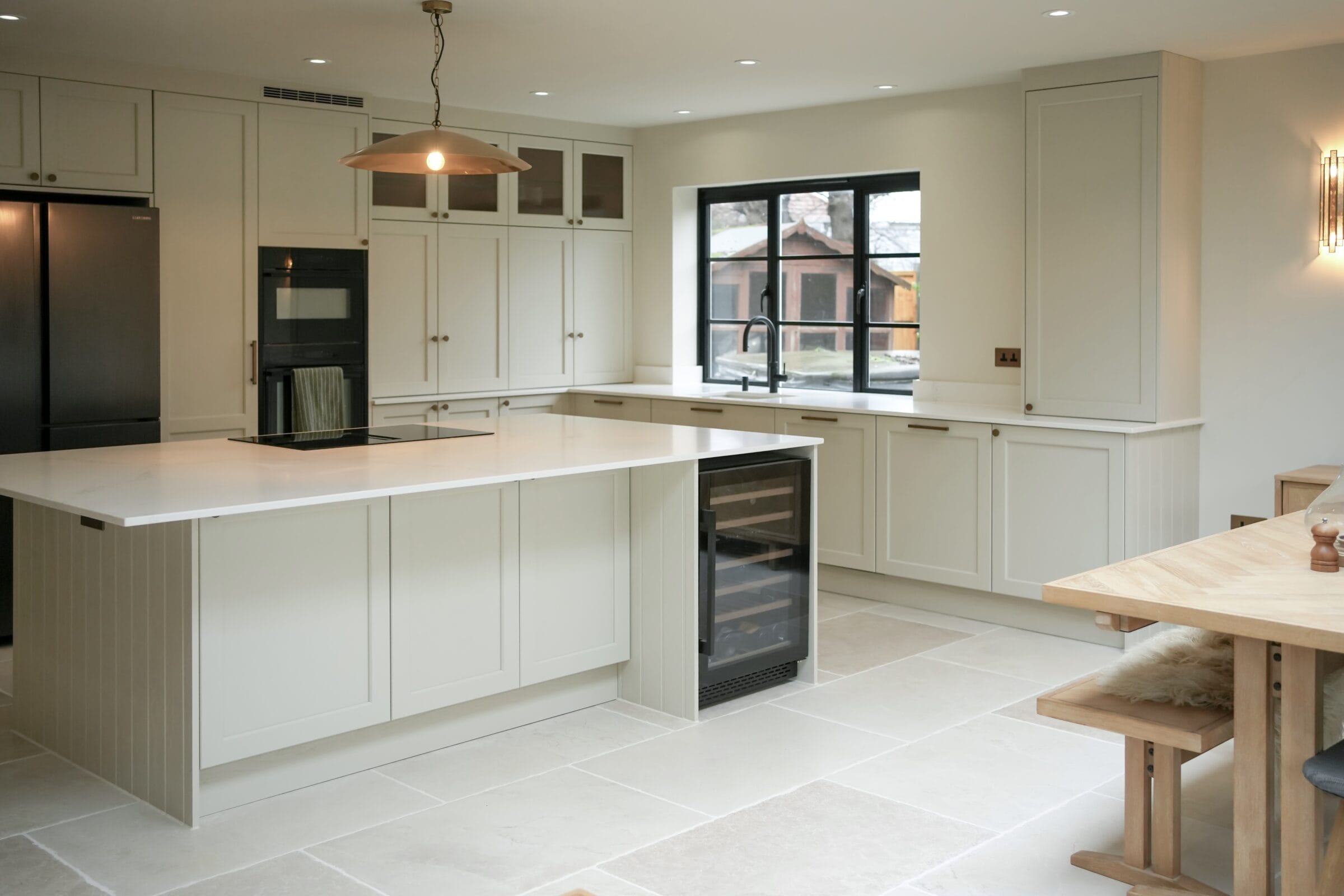
Good kitchen storage is not about having more space - it is about using the space you have intelligently. Many homeowners finish a kitchen renovation and still find themselves short on room, simply because the storage was not thought through from the start. The cabinets are there; the design just does not work for the way the kitchen is actually used.
At Kitchen Living, storage planning is built into every design from the very beginning. Here are the practical principles our designers apply to make kitchens genuinely easier to live in.
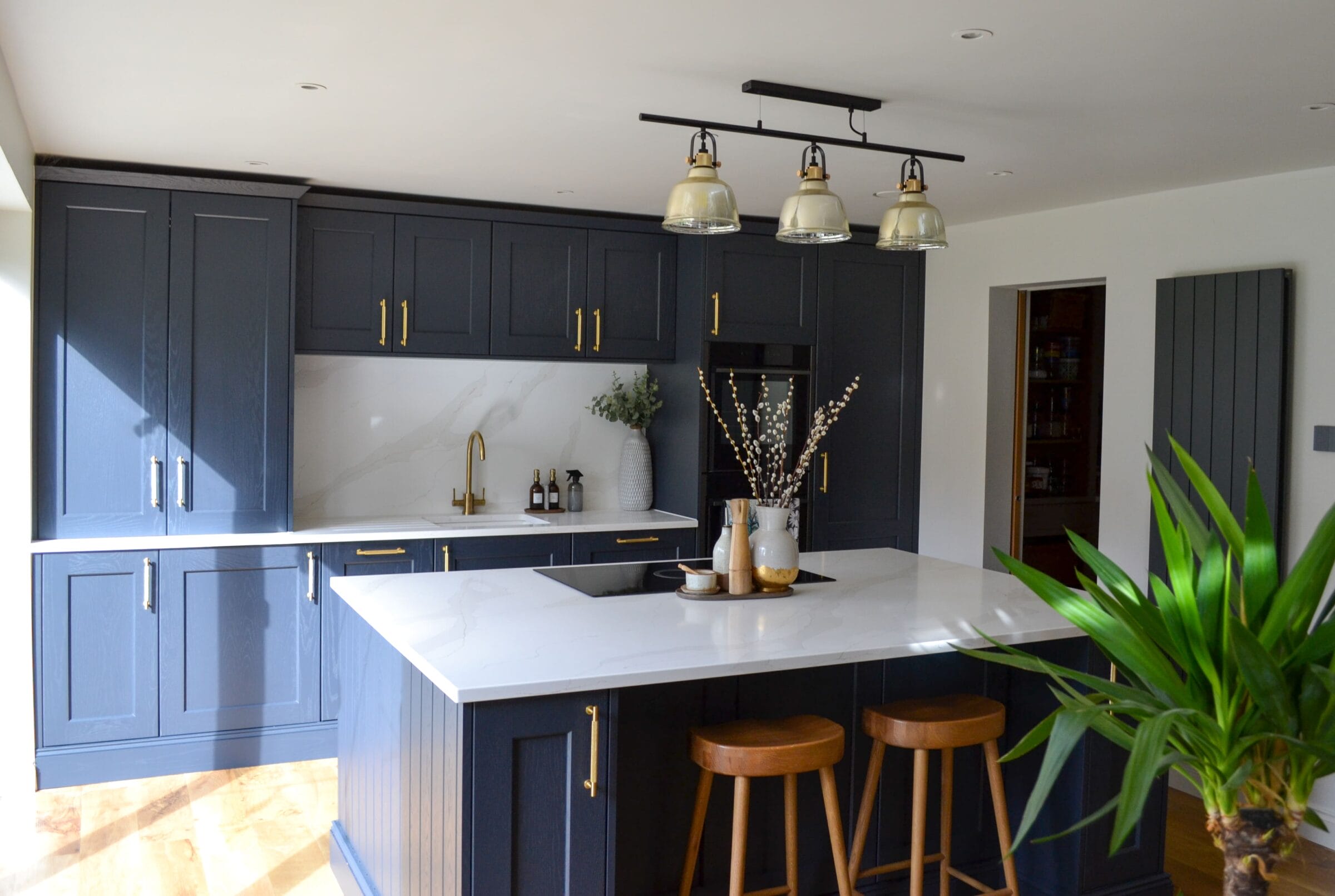
Start With How You Actually Use Your Kitchen
The most effective storage layouts are designed around habits, not ideals. Before thinking about cabinet types or internal fittings, consider where you tend to prep food, where you stand when cooking, and how often you access different items. The things you use every day: oils, knives, everyday crockery, should be within arm's reach of where you work. Items used occasionally can live further away or higher up.
This sounds obvious, but it is frequently overlooked. A beautiful pantry cabinet positioned at the far end of the kitchen from the hob becomes an inconvenience if you are constantly going back and forth for ingredients. Think about workflow first, then design the storage around it.
Make the Most of Deep Drawers
Deep pan drawers have largely replaced base cabinets with doors in well-designed kitchens, and for good reason. A full-height pull-out drawer gives you clear visibility of everything inside at a glance, without having to crouch down and root through the back of a cupboard. Pots, pans, lids, and baking trays are far easier to access and organise in drawers than in a standard cabinet.
Internal drawer dividers and inserts take this further, keeping utensils sorted and preventing everything from sliding around. If your current kitchen has base cabinets with doors rather than drawers, this is one of the single most impactful upgrades you can make in a refit.
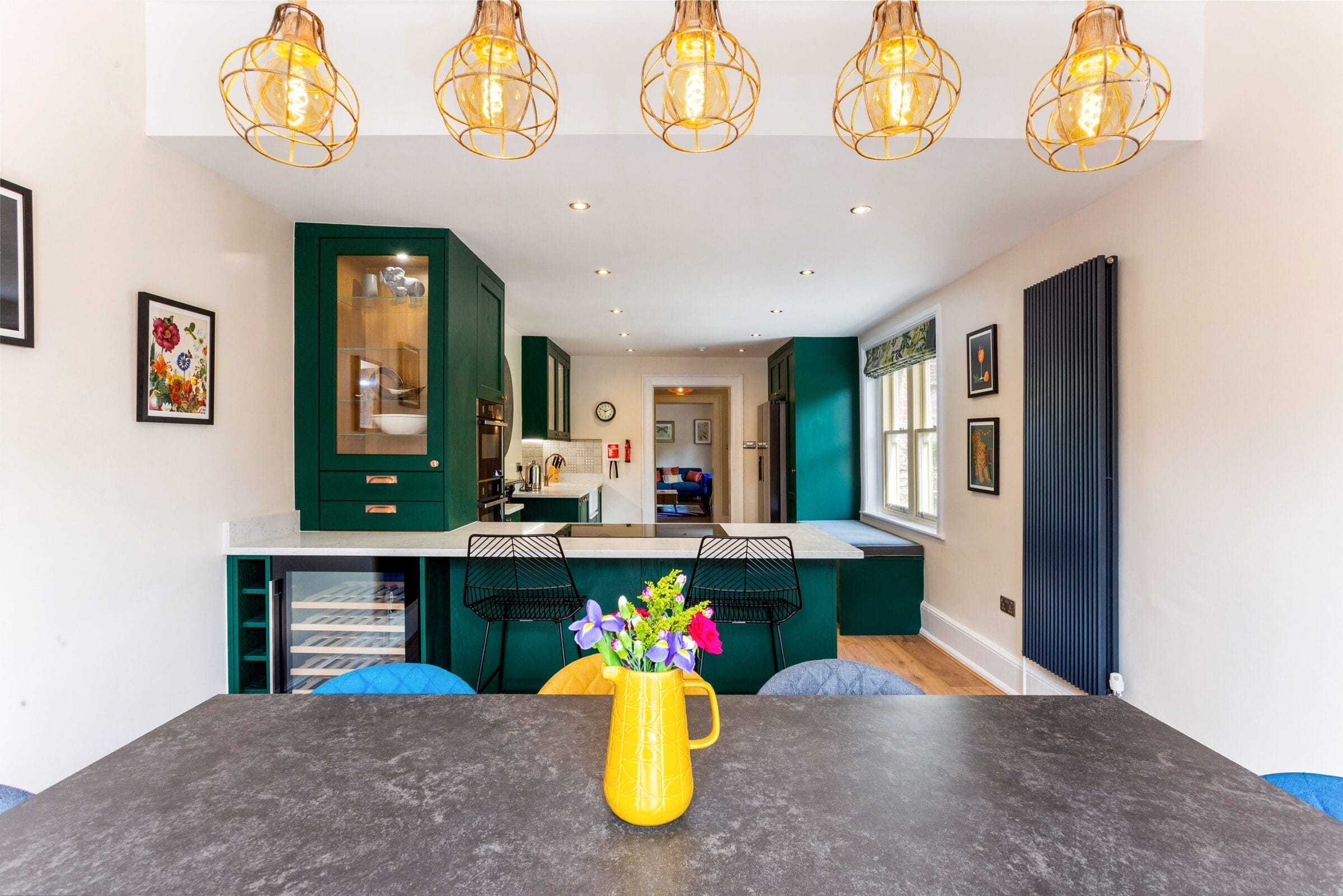
Use Corner Space Properly
Corner cabinets are notorious for being awkward and underused. The traditional solution, two doors opening onto a dark, L-shaped void, wastes a significant amount of storage. There are now several well-engineered alternatives that transform this dead space into genuinely usable storage.
A carousel or Le Mans mechanism brings items at the back of the corner out to you as the door opens, eliminating the need to reach inside. Pull-out corner solutions and deep single-door corner drawers are alternatives worth considering depending on your cabinet layout. When we design a kitchen renovation from scratch, corner storage is always planned deliberately rather than treated as an afterthought.
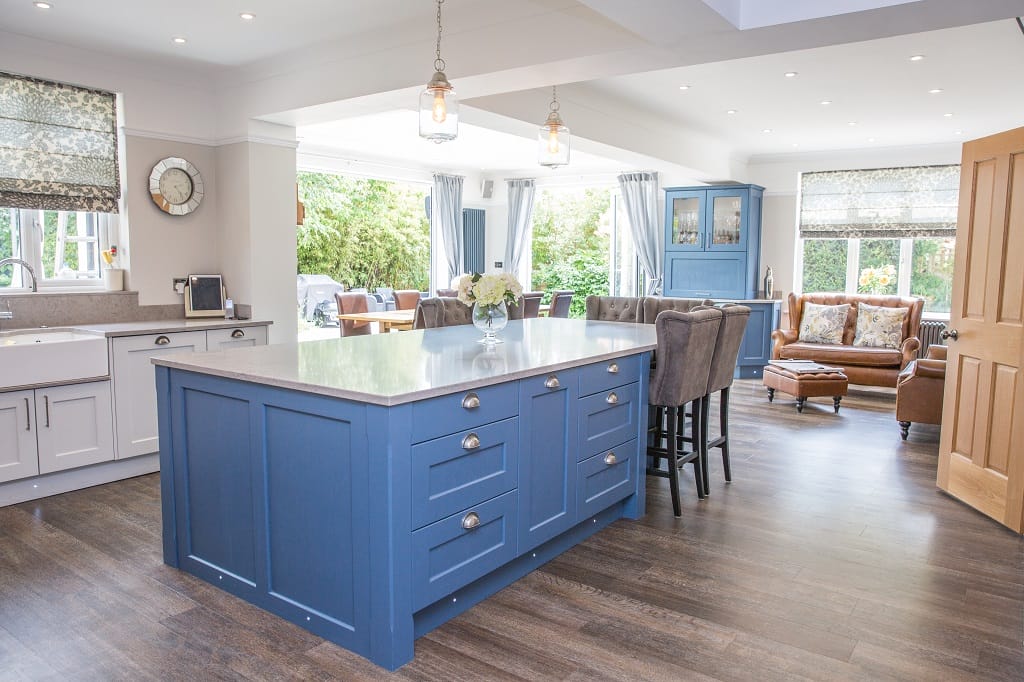
Think Vertically
Most kitchens have untapped storage potential above eye level. Floor-to-ceiling cabinetry uses the full height of the room rather than leaving a gap above standard wall units. This space is ideal for items used less frequently, seasonal equipment, large platters, extra stock. Tall larder and pull-out pantry units are a particularly efficient use of vertical space, packing in considerable storage within a relatively narrow footprint.
Open shelving above the worktop can serve a similar purpose while adding character, it works especially well in classic kitchen designs where open display fits naturally with the overall aesthetic.
Integrate Waste and Recycling Solutions
Built-in pull-out bin solutions, positioned under the sink or close to the main prep area, keep waste out of sight while making it easy to sort at the point of use. Planning this into the original design is far neater than retrofitting bins into an existing cabinet, it is a detail that makes a surprising difference to how clean and organised the kitchen feels day to day.
Do Not Overlook the Inside of Cabinet Doors
The inside of a cabinet door is usable space that most kitchens completely ignore. Door-mounted racks and holders are well-suited to cleaning products under the sink, chopping boards and baking sheets in a base cabinet, or spices and condiments in a larder unit. A small addition that adds meaningful capacity without requiring any extra cabinetry.
Plan Storage During the Design Stage, Not After
Storage decisions made during the design stage are always better than those retrofitted afterwards. Once cabinetry is installed, your options narrow considerably. The time to think about drawer inserts, corner mechanisms, tall units, and integrated waste solutions is when the kitchen is still on paper.
Our designers at Kitchen Living work through every aspect of storage with each client during the design process. Book a design appointment at our Southampton showroom to see how this works in practice.
Frequently Asked Questions
What is the most effective type of base cabinet for kitchen storage?
Deep pan drawers are generally more practical than doors-and-shelves base cabinets. They offer full visibility of the contents, easier access, and better organisation with the use of internal dividers. They are now standard in most well-designed modern kitchens.
How do I make the most of a corner cabinet?
Carousel mechanisms, Le Mans pull-outs, and corner drawer systems all make corner cabinets significantly more usable than the traditional double-door arrangement. The right solution depends on your cabinet layout, something our designers can advise on during a consultation.
Is floor-to-ceiling cabinetry worth the cost?
In most kitchens, yes. The storage gain is substantial, and it creates a cleaner look by eliminating the gap above standard wall units. For kitchens with high ceilings, the upper cabinets can store infrequent items, meaning the everyday benefit is concentrated in the more accessible lower sections.
Where should I position bins and recycling in a kitchen?
Integrated pull-out bins should ideally be positioned close to the main food preparation area so waste can be disposed of at the point of use. Under the sink is a common location, but a dedicated base cabinet close to the worktop is more practical if space allows.
Can I improve storage in an existing kitchen without a full renovation?
To some extent, yes. Internal drawer dividers, door-mounted racks, and pull-out inserts can be retrofitted into many existing cabinets. However, the most impactful improvements, such as replacing base cabinets with drawers or adding corner mechanisms, are much easier to incorporate during a full design and installation.